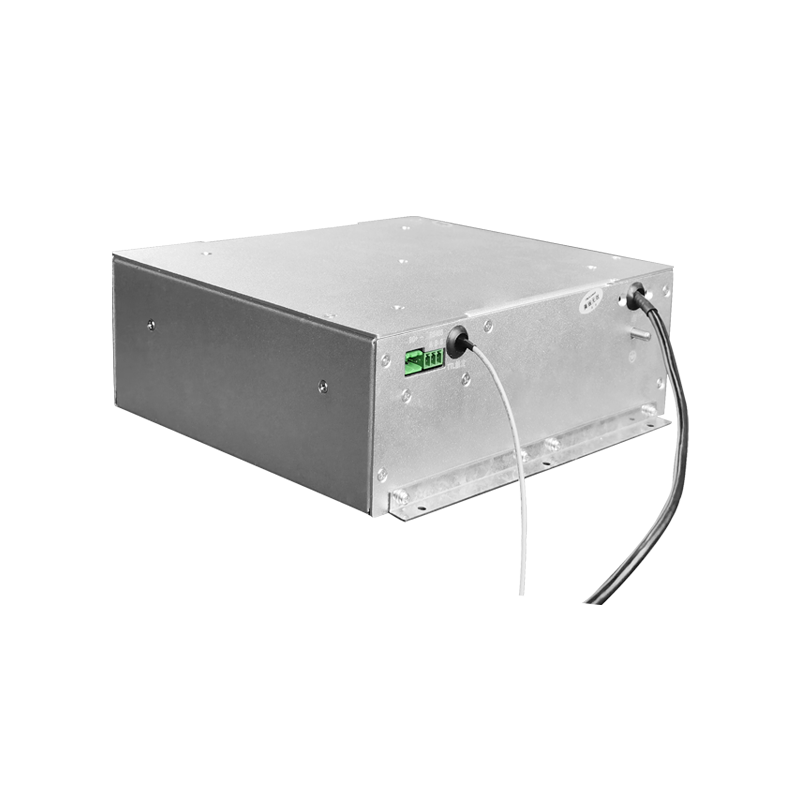
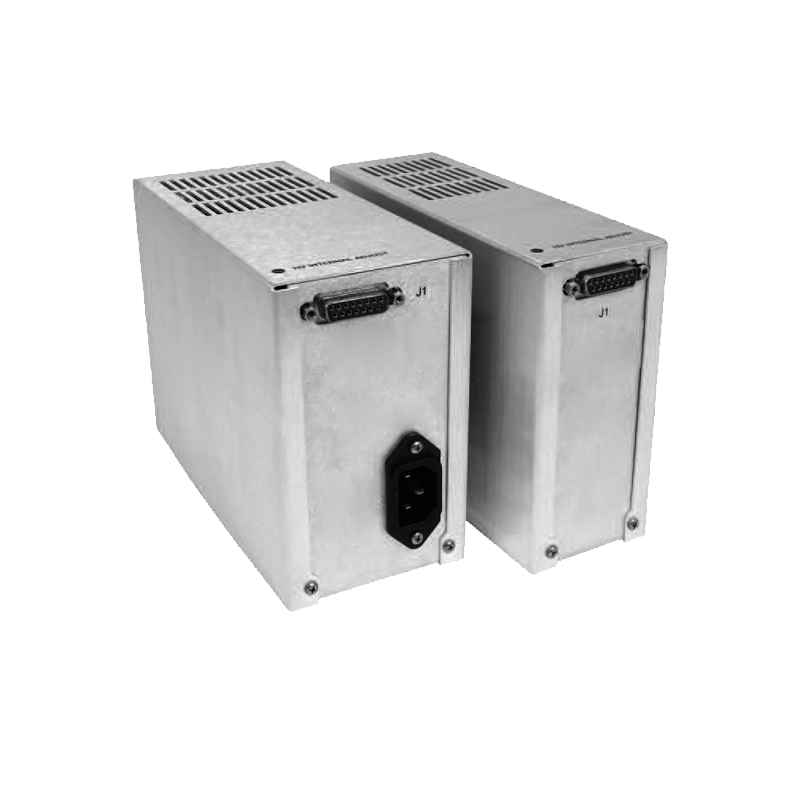
Electrostatic Chuck High Voltage Power Supply Adsorption Reliability in Vacuum Robot Hand
Electrostatic chucking has become the predominant method for holding substrates in semiconductor manufacturing and display processing equipment, offering clean, non-mechanical clamping suitable for delicate materials and vacuum environments. The high voltage power supply systems supporting electrostatic chuck operation directly determine adsorption reliability, release characteristics, and overall equipment throughput. Understanding the electrical requirements and reliability considerations enables optimization of electrostatic clamping systems for demanding robotic handling applications. Electrostatic chucking enables handling of substrates without mechanical contact that could damage delicate surfaces. The continued advancement of substrate handling technology drives increasing demands for electrostatic chuck reliability.
Electrostatic chuck operation relies on electrostatic forces generated between charged electrodes embedded within the chuck and conductive or semiconductive substrate materials. High voltage, typically ranging from 500 to 3000 volts, applied to chuck electrodes creates electrostatic charges at the chuck-substrate interface. These charges generate attractive forces proportional to the square of electric field strength, enabling clamping forces exceeding atmospheric pressure in optimized designs. Clamping force must exceed process forces while avoiding substrate damage from excessive pressure. The relationship between voltage and clamping force must be optimized for each application.
Voltage requirements for electrostatic chucking depend on chuck geometry, electrode configuration, and substrate properties. Bipolar electrode configurations, employing interleaved positive and negative electrodes, enable chucking of both conductive and insulating substrates through induced charges. Monopolar configurations require conductive substrates providing ground reference. Voltage selection balances clamping force against leakage current and potential substrate damage, with most applications operating below 2000 volts for safety and reliability. Voltage selection must be optimized for each substrate material and thickness. Electrode configuration selection affects both clamping capability and substrate compatibility.
Current leakage through chuck materials and substrate interfaces determines power supply current requirements. High-quality chuck materials exhibit resistivity values limiting leakage current to microampere levels at typical operating voltages. Power supplies must deliver this leakage current continuously while maintaining voltage regulation. Current capability exceeding anticipated leakage by factors of 10 to 100 ensures adequate margin for environmental variations and material property variations. Current capability must be maintained across operating temperature ranges. Current delivery capability affects clamping reliability under varying conditions.
Voltage stability directly impacts clamping force stability and consequently substrate position accuracy. Force varies with the square of voltage, making force stability more sensitive to voltage variations than linear systems. Achieving force stability within five percent requires voltage stability within 2.5 percent. Precision applications demanding positional stability within micrometers require voltage stability below one percent, challenging power supply design in vacuum environments with limited cooling options. Voltage stability must be maintained across thermal cycles and equipment lifetime. Voltage stability directly affects substrate position accuracy and process yield.
Ripple and noise on electrostatic chuck power supplies affect clamping force through instantaneous force variations. High-frequency ripple exceeding 100 hertz averages out through mechanical response times typically spanning milliseconds, having minimal impact on substrate position. Low-frequency ripple and noise below 10 hertz modulate clamping force measurably, potentially affecting process stability. Power supply designs typically achieve ripple below one volt peak-to-peak for stable clamping operation. Ripple must be minimized across all frequencies affecting process stability. Ripple and noise specifications derive from substrate stability requirements.
Response time for voltage application affects throughput in robotic handling systems. Rapid voltage ramping enables quick substrate acquisition, while controlled voltage removal ensures clean release without substrate sticking. Ramp times of 10 to 100 milliseconds for both application and removal represent typical performance requirements. Power supply designs must accommodate these ramp requirements without overshoot or instability. Response time optimization must balance throughput against reliability requirements. Response time affects both throughput and handling reliability.
Vacuum environment operation imposes specific requirements on electrostatic chuck power supplies. Reduced pressure limits convective cooling, requiring derating of power supply components or alternative cooling approaches. Outgassing from power supply components must be minimized to prevent contamination of vacuum processes. Sealed construction with appropriate materials prevents outgassing while maintaining reliable operation in vacuum conditions. Vacuum compatibility must be verified for all materials and components. Vacuum environment compatibility affects both reliability and process cleanliness.
Arcing and discharge phenomena within vacuum environments require specific protection considerations. Vacuum arcs can initiate at lower voltages than atmospheric discharges due to reduced gas breakdown strength. Current limitation during arc conditions prevents damage to chuck electrodes and substrates. Arc detection circuits identifying vacuum discharge signatures enable appropriate responses including voltage reduction and retry sequences. Arc handling must operate reliably without false trips disrupting production. Arc handling performance affects both equipment protection and operational continuity.
Grounding and shielding design significantly influences electrostatic chuck performance and noise susceptibility. Improper grounding allows interference currents to couple into chuck electrodes, potentially affecting clamping force. Shielding prevents electromagnetic interference from inducing spurious voltages on chuck electrodes. Grounding design must also address safety requirements for operator protection against electrical hazards. Grounding must satisfy both performance and safety requirements simultaneously. Grounding and shielding design affects both clamping performance and electromagnetic compatibility.
Reliability considerations for electrostatic chuck power supplies emphasize continuous operation over extended periods. Semiconductor manufacturing equipment typically operates continuously for months between maintenance intervals, demanding exceptional power supply reliability. Component selection for continuous operation, thermal design preventing temperature-related degradation, and protection against environmental stressors determine reliability performance. Reliability must be maintained across varying process conditions and substrate types. Power supply reliability directly affects equipment availability and production yield.
Monitoring and diagnostics capabilities enable proactive maintenance and troubleshooting. Voltage and current monitoring provide indication of chuck condition, as changes in leakage current may indicate chuck degradation or contamination. Temperature monitoring identifies cooling system degradation before thermal failures occur. Integration of monitoring data into equipment control systems enables trending and predictive maintenance strategies. Monitoring enables early detection of degradation before failures disrupt production. Monitoring capabilities support both reliability and maintenance optimization.
Release characteristics of electrostatic chucks depend on power supply behavior during voltage removal. Stored charge in chuck dielectric materials can maintain clamping forces after voltage removal, delaying release and reducing throughput. Active discharge circuits accelerate charge removal, enabling rapid release when voltage is removed. Grounding of chuck electrodes during voltage removal through low-impedance paths ensures complete discharge and reliable release. Release characteristics must be optimized for each substrate type and handling sequence. Release performance affects both throughput and handling reliability.