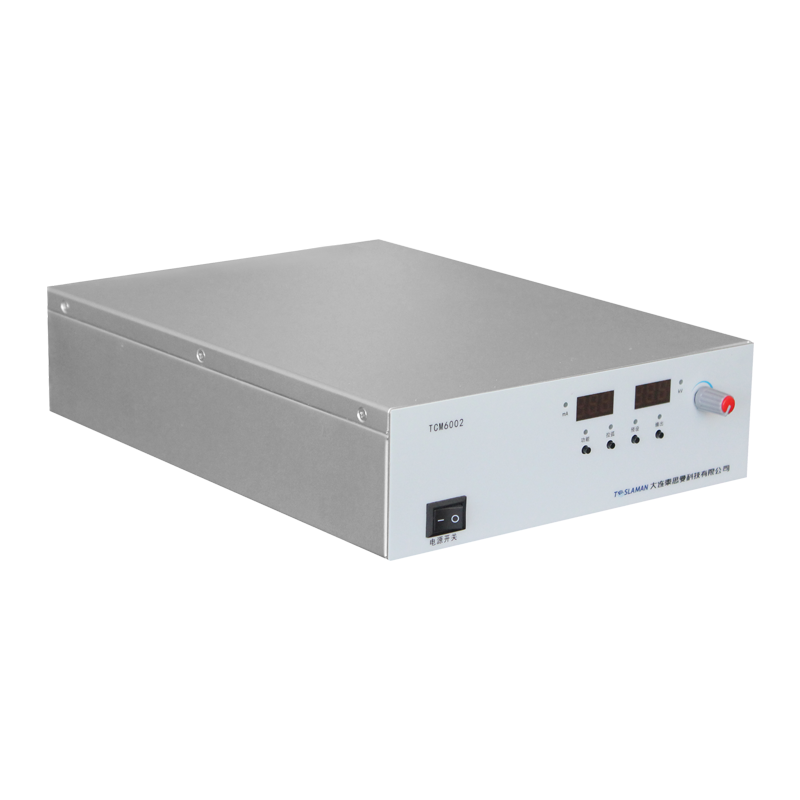
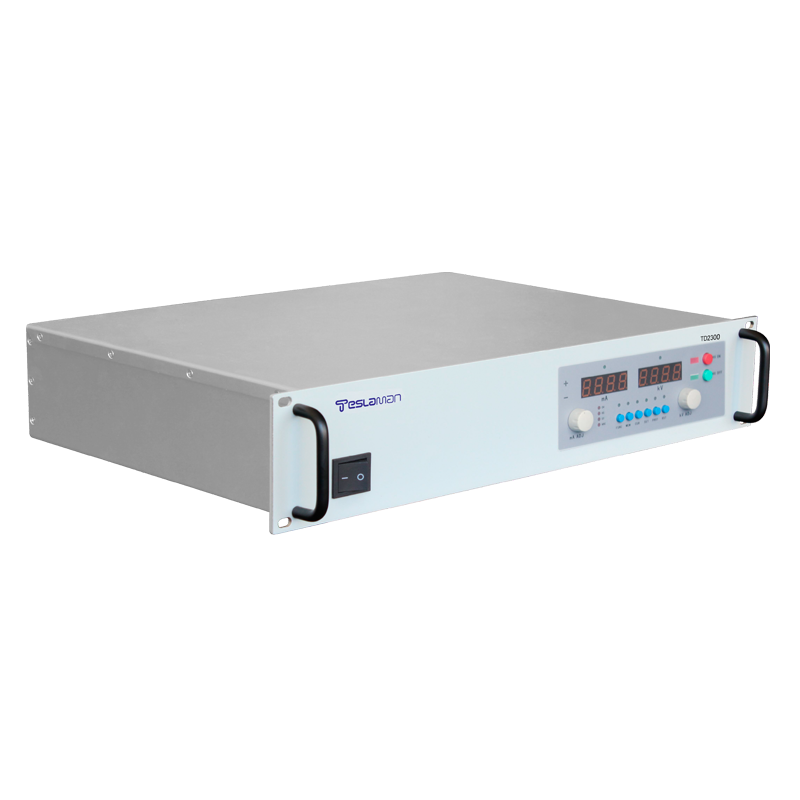
Accelerator High Voltage Power Supply High Voltage Chain in Free Electron Laser Facilities
Free electron laser facilities represent one of the most sophisticated applications of accelerator technology, producing intense, tunable, coherent radiation across a wide range of wavelengths from the terahertz region to hard X-rays. Unlike conventional lasers that rely on bound electron transitions in atoms or molecules, free electron lasers generate radiation from a beam of relativistic electrons passing through a periodic magnetic field known as an undulator. The performance of these facilities is critically dependent on the high voltage power supply systems that form the high voltage chain powering the electron accelerator and associated beamline components.
The high voltage chain in a free electron laser facility begins with the electron source, typically a photocathode gun that generates a high-brightness electron beam. The photocathode gun requires a high voltage power supply capable of delivering tens to hundreds of kilovolts with extremely low ripple and noise. The voltage applied to the gun determines the initial energy of the electron beam, and any fluctuations in this voltage directly translate into energy spread in the beam. For free electron laser operation, the electron beam energy spread must be minimized, typically below 0.1 percent, placing stringent requirements on the stability of the gun high voltage power supply.
Following the electron source, the beam enters a series of accelerating structures that increase the electron energy to the level required for free electron laser operation. These accelerating structures, which may be normal-conducting radiofrequency cavities or superconducting radiofrequency cavities, require high voltage power supplies for their operation. The power supplies for the accelerating structures must provide stable, regulated voltages to the radiofrequency amplifiers and modulators that drive the cavities. The timing and synchronization of these power supplies are critical, as the electron beam must be precisely matched to the accelerating phase of the radiofrequency fields.
The klystron modulators that power the radiofrequency amplifiers in free electron laser facilities represent a significant application of high voltage technology. These modulators must generate high-voltage pulses, typically tens to hundreds of kilovolts, with pulse durations ranging from microseconds to milliseconds, to drive the klystron tubes that produce the radiofrequency power. The pulse-to-pulse stability of the modulator output directly affects the stability of the radiofrequency fields in the accelerating structures and, consequently, the quality of the electron beam delivered to the undulator.
Pulse power technology is central to the design of high voltage power supplies for free electron laser accelerators. The power supplies must store energy over a relatively long period and then release it in a short, high-power pulse to the accelerating structures. This energy storage can be accomplished through various means, including capacitor banks, pulse-forming networks, or more advanced techniques such as solid-state Marx generators. The choice of energy storage technology depends on the specific requirements of the accelerator, including pulse energy, pulse duration, repetition rate, and voltage level.
Solid-state switching technology has revolutionized the design of high voltage power supplies for accelerator applications. Modern solid-state switches based on insulated-gate bipolar transistors and silicon carbide metal-oxide-semiconductor field-effect transistors can handle high voltages and currents while providing fast switching speeds and excellent reliability. These switches have largely replaced older technologies such as thyratrons and ignitrons in many accelerator applications, offering improved lifetime, reduced maintenance, and greater flexibility in pulse shaping and control.
Voltage stability and regulation are paramount in free electron laser applications. The energy of the electron beam must be maintained within tight tolerances to ensure that the radiation wavelength produced by the undulator meets the requirements of the experimental users. High voltage power supplies for these applications employ sophisticated feedback control systems that monitor the output voltage and make real-time adjustments to compensate for any variations. The use of precision voltage dividers and reference sources enables regulation levels of 10 parts per million or better in state-of-the-art systems.
Ripple and noise on the high voltage output are critical concerns for free electron laser performance. Ripple at the power line frequency or at switching frequencies can modulate the electron beam energy, creating sidebands in the radiation spectrum and reducing the spectral purity of the free electron laser output. The design of the high voltage power supply must incorporate extensive filtering to reduce ripple to acceptable levels, typically below 10 parts per million. This filtering may include passive filter networks, active ripple cancellation circuits, and careful attention to grounding and shielding practices.
The magnetic elements along the beamline, including focusing magnets, bending magnets, and the undulator itself, require stable, precisely regulated power supplies to maintain the correct electron beam trajectory. While these power supplies typically operate at lower voltages than the accelerating structures, they are equally important to the overall performance of the free electron laser. The current supplied to the electromagnets must be maintained with exceptional stability, as any variation in magnetic field strength will alter the electron beam path and affect the free electron laser performance.
Cable and connector technology for high voltage power supplies in accelerator facilities must address the unique requirements of the environment. The cables must be capable of carrying high voltages and currents while maintaining low inductance to support fast pulse operation. Radiation-resistant materials are required for cables and connectors that are located in areas exposed to ionizing radiation from the accelerator. The connectors must be designed for reliable operation over many connection-disconnection cycles, as accelerator components are frequently removed for maintenance and modification.
Grounding and shielding are critical aspects of high voltage power supply installation in free electron laser facilities. The high currents associated with accelerator operation can create ground loops that introduce noise into sensitive measurement systems. A carefully designed grounding system, often employing a star-ground topology with separate grounds for power and signal circuits, is essential to minimize interference. Electromagnetic shielding of the high voltage power supply components prevents the radiation of electromagnetic energy that could interfere with nearby electronics.
Safety systems for high voltage power supplies in accelerator facilities are comprehensive and redundant. Personnel protection systems include interlocked enclosures, radiation monitoring systems, and access control systems that prevent entry into hazardous areas when high voltage is present. Equipment protection systems monitor critical parameters including temperature, coolant flow, and insulation integrity, and automatically shut down the power supply if unsafe conditions are detected. The stored energy in the high voltage systems must be safely dissipated through controlled discharge circuits when the system is shut down.
Remote monitoring and control capabilities are essential for the operation of high voltage power supplies in large free electron laser facilities. The power supplies are distributed throughout the facility, often in locations that are not accessible during accelerator operation. A comprehensive control system, typically based on a distributed control architecture with multiple levels of hierarchy, allows operators to monitor and control all power supplies from a central location. The control system provides real-time display of operating parameters, historical data logging, and alarm management functions.
Diagnostic systems for the high voltage power supplies provide valuable information for optimizing accelerator performance and troubleshooting problems. Voltage and current monitors at various points in the high voltage chain allow operators to verify that the power supplies are operating correctly and to identify potential issues before they cause problems. Advanced diagnostic systems may include high-bandwidth sensors that can capture transient events, enabling the analysis of fast phenomena that could affect beam quality.
Cooling systems for high voltage power supplies in accelerator facilities must handle the substantial heat loads generated by the power conversion and regulation processes. The cooling requirements are particularly demanding for the klystron modulators and radiofrequency amplifiers, which may dissipate significant power. Deionized water cooling systems are commonly used to remove heat from the high voltage components while maintaining electrical isolation. The cooling system must be designed for reliable operation over extended periods, as accelerator facilities typically operate continuously for weeks or months at a time.
Maintenance of high voltage power supplies in free electron laser facilities requires specialized knowledge and procedures. The high voltages involved present significant safety hazards, and all maintenance activities must be conducted in accordance with established safety procedures that include lockout-tagout requirements, discharge verification, and the use of grounding sticks. Regular preventive maintenance tasks include inspection of insulation systems, testing of safety interlocks, calibration of voltage and current monitors, and replacement of components that have reached the end of their service life.
Future developments in high voltage power supply technology for free electron laser facilities will likely focus on further improvements in stability, efficiency, and reliability. The development of new accelerator concepts, such as laser-plasma accelerators and dielectric laser accelerators, may introduce new requirements for high voltage power supplies that differ from those of conventional radiofrequency accelerators. Advances in power semiconductor technology and energy storage devices will enable the construction of more compact and efficient power supplies, reducing the footprint and operating cost of future free electron laser facilities.
In summary, the high voltage power supply chain in free electron laser facilities is a critical infrastructure element that directly impacts the performance and capabilities of these advanced research instruments. The stringent requirements for voltage stability, pulse quality, reliability, and safety drive continuous innovation in high voltage power supply design and technology. As free electron laser facilities continue to push the boundaries of performance, the role of advanced high voltage power supplies will remain central to their success.