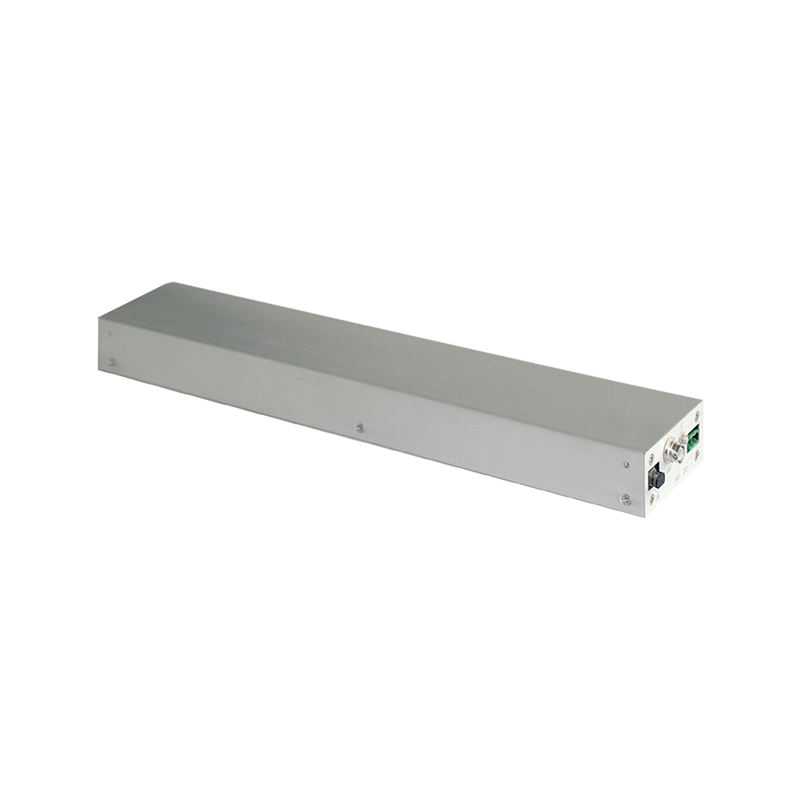
Safety Design of High-Power Output Accelerator High-Voltage Supplies in Medical Proton Therapy Systems
Medical proton therapy delivers the precisely controlled proton beams for the treatment of the tumors, and the accelerator system generates and accelerates the protons to the therapeutic energies. The high-voltage supply of the accelerator provides the power for the acceleration, and the high-power output requires the careful safety design. The safety of the therapy system protects the patients and the staff, and the engineering work covers the safety architecture, the interlocks, and the verification.
The proton therapy system includes the ion source, the accelerator, and the beam delivery, and the accelerator uses the high-voltage or the radio-frequency acceleration. The high-power supply provides the energy for the acceleration stages, and the output power is controlled for the beam parameters. The safety design ensures the controlled delivery of the beam.
The safety of the therapy system is governed by the medical equipment standards and the radiation safety regulations, and the design follows the requirements for the risk management. The risk analysis identifies the hazards and the mitigation measures, and the safety requirements are derived from the analysis. The safety architecture provides the layers of the protection.
The interlocks of the system prevent the operation under the unsafe conditions, and the interlocks respond to the faults in the supply, the beamline, and the safety systems. The beam delivery is interrupted when the conditions deviate from the safe range, and the restart requires the confirmation of the safe state. The interlock functions are tested for the response.
The radiation safety of the therapy facility includes the shielding and the access control, and the treatment room is shielded for the beam energy. The interlocks detect the entry of the personnel and interrupt the beam, and the radiation monitoring provides the additional protection. The facility safety is verified through the commissioning tests.
The electrical safety of the high-voltage supply includes the protection against the electric shock and the insulation failure, and the high-voltage sections are enclosed and interlocked. The stored energy is discharged after the shutdown, and the discharge circuits limit the residual voltage. The electrical safety is verified through the testing.
The fault handling of the system includes the detection of the abnormal conditions and the controlled shutdown, and the fault diagnostics support the troubleshooting. The supply is protected against the overload and the overtemperature, and the cooling system maintains the operating temperature. The protection design supports the reliable operation.
The monitoring of the therapy system provides the data for the quality assurance, and the beam parameters are verified before and during the treatment. The dose delivery is monitored and recorded, and the verification data supports the treatment quality. The monitoring is integrated with the treatment planning system.
The verification of the safety system includes the testing of the interlocks and the fault response, and the tests are performed during the commissioning and the periodic checks. The results are documented for the regulatory approval, and the safety performance is reviewed at the defined intervals. The verification supports the safe clinical operation.
The operation of the therapy system is performed by the trained staff, and the procedures cover the treatment delivery, the emergency response, and the maintenance. The training and the drills maintain the readiness of the staff, and the documentation supports the operation. The operational practices complement the technical safety.
The proton therapy provides the precise dose delivery for the treatment of the tumors, and the safety of the system is essential for the clinical use. The reliable supply and the careful safety design support the therapeutic application, and the technology contributes to the advancement of the cancer treatment.
Safety design of the high-power output accelerator high-voltage supplies ensures the safe delivery of the proton beams in the medical therapy, and the layered protection, the interlocks, and the verification deliver the safety required by the medical standards. The continued development will enhance the safety and support the advancement of the proton therapy.
The training of the medical physics staff covers the operation of the therapy system and the verification of the beam delivery, and the training includes the emergency procedures. The competency of the staff is assessed periodically, and the recertification maintains the qualifications. The training supports the safe and the effective clinical operation.
The maintenance of the therapy system is performed by the qualified service staff, and the maintenance includes the periodic inspection and the calibration of the safety functions. The service records document the maintenance activities, and the repairs are followed by the verification. The maintenance program supports the availability and the safety of the system.
The economic assessment of the proton therapy facility considers the capital cost, the operating cost, and the treatment capacity, and the reliable operation supports the efficient use of the facility. The safety of the system reduces the risk of the incidents, and the quality of the treatment supports the clinical outcomes. The assessment supports the facility planning.
The clinical experience with the proton therapy provides the feedback for the improvement of the system, and the treatment data supports the optimization of the delivery. The collaboration between the medical and the engineering teams improves the integration, and the lessons learned are incorporated into the design. The continuous improvement supports the advancement of the therapy.
The quality assurance of the proton therapy includes the verification of the dose delivery and the patient positioning, and the quality checks are performed according to the defined schedule. The results are recorded for the review, and the deviations are investigated and corrected. The quality assurance supports the safe and the effective treatment.
The documentation of the safety design includes the risk analysis, the safety requirements, and the verification records, and the documentation supports the regulatory approval. The safety files are maintained for the lifecycle of the system, and the changes are reviewed for the safety impact. The documentation is an integral part of the safety management.
The environmental conditions of the treatment facility are controlled for the operation of the equipment, and the temperature and the humidity are maintained within the specified ranges. The cooling and the ventilation of the technical areas support the reliable operation of the supply and the accelerator, and the facility infrastructure is monitored. The environmental management supports the continuous availability of the therapy system.