AI Power Prediction of Magnetron Sputtering Vacuum Coating High-Voltage Supplies in Transparent Conductive Film Production
Transparent conductive films are used for the displays, the touch panels, and the solar cells, and the films provide the electrical conductivity with the optical transparency. The magnetron sputtering deposits the transparent conductive films, and the high-voltage supply of the sputtering system controls the deposition process. The AI power prediction supports the optimization of the sputtering, and the engineering work covers the prediction model, the process integration, and the verification.
The magnetron sputtering uses the plasma to sputter the target material onto the substrate, and the deposition rate and the film properties depend on the sputtering power. The transparent conductive films require the consistent thickness and the electrical properties, and the control of the sputtering process is important. The power prediction supports the process optimization.
The AI power prediction uses the machine learning models to forecast the required power for the target film properties, and the models are trained with the process data. The prediction accounts for the target condition, the gas pressure, and the process history, and the predicted power is used for the process setup. The prediction improves the efficiency of the process development.
The sputtering process is affected by the target erosion and the chamber conditions, and the power requirements change over the target life. The AI models incorporate the condition data for the adaptive prediction, and the power is adjusted for the maintained performance. The adaptive prediction supports the consistent production.
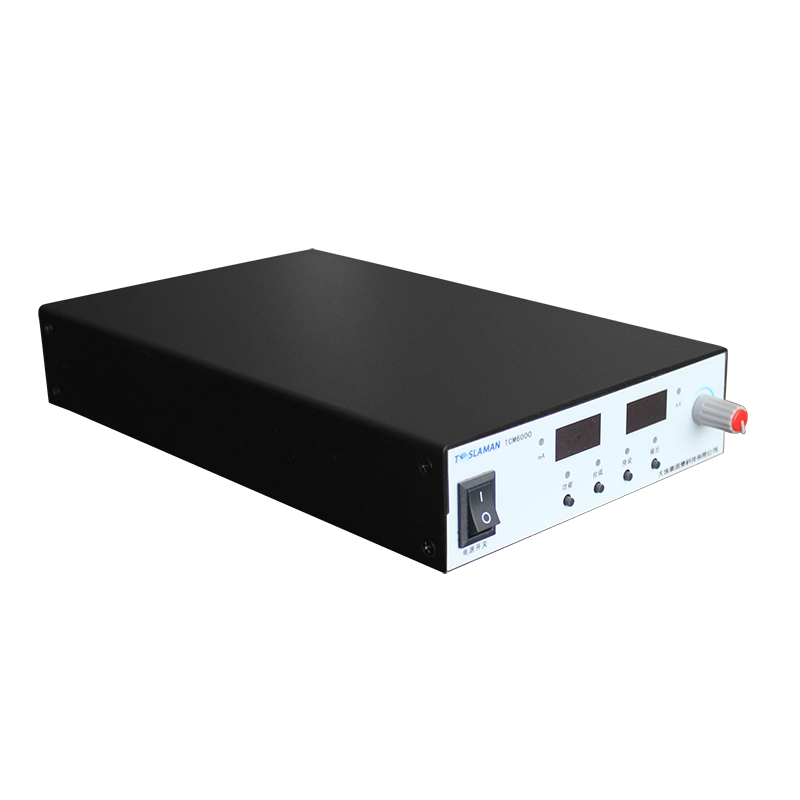
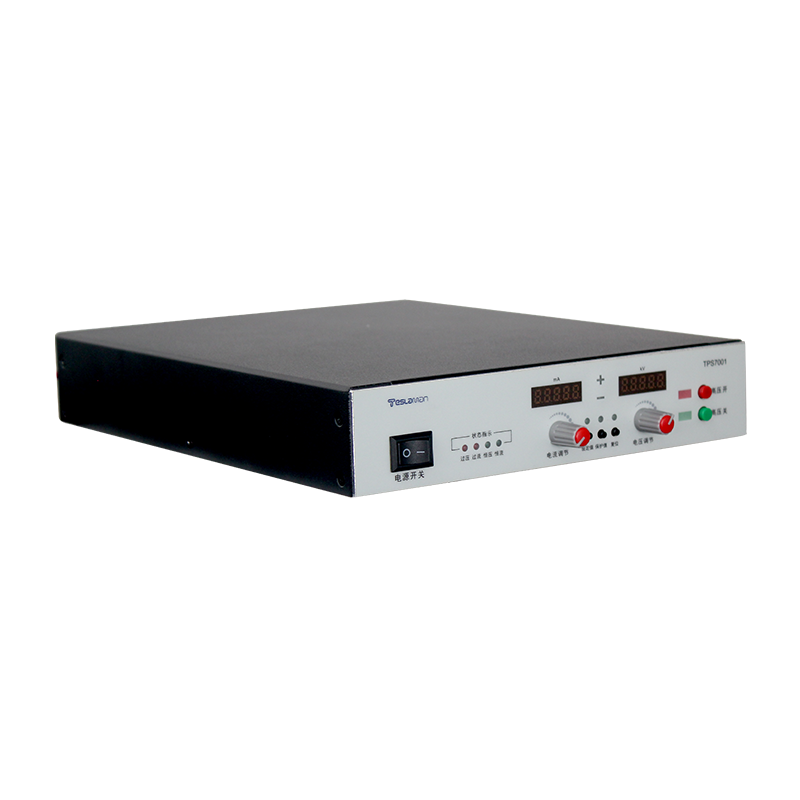
The high-voltage supply of the sputtering system provides the power for the plasma generation, and the control of the supply output is coordinated with the prediction. The power delivery is monitored and regulated, and the process parameters are maintained at the target values. The supply performance supports the deposition control.
The film properties are characterized through the sheet resistance and the optical transmittance measurements, and the results are used for the model validation and the process control. The correlation between the power and the film properties is quantified, and the models are refined with the data. The characterization supports the process optimization.
The production of the transparent conductive films requires the high throughput and the consistent quality, and the process control is automated for the production efficiency. The AI prediction is integrated with the production management, and the process data is recorded for the analysis. The automation supports the large-scale production.
The verification of the AI prediction includes the comparison of the predicted and the actual power requirements, and the prediction accuracy is quantified. The film quality is evaluated for the predicted conditions, and the results are compared with the specification. The verification supports the adoption of the prediction in the production.
The transparent conductive films are essential components of the modern electronic devices, and the quality of the films determines the device performance. The optimized sputtering process supports the production of the high-quality films, and the technology contributes to the advancement of the electronics industry.
The advancement of the thin film technology demands the better film quality and the lower production cost, and the process control follows the requirements of the new applications. The improved AI models and the process data enhance the prediction capability, and the cooperation with the film manufacturers drives the innovation.
AI power prediction of the magnetron sputtering high-voltage supplies enables the efficient production of the transparent conductive films, and the accurate prediction, the careful process integration, and the verification deliver the required film quality. The continued development will enhance the prediction and support the advancement of the thin film manufacturing.
The maintenance of the sputtering system includes the service of the targets and the inspection of the chamber components, and the condition of the target affects the deposition. The replacement of the targets is scheduled according to the erosion, and the system is requalified after the maintenance. The maintenance program supports the continuous production.
The training of the process engineers covers the operation of the sputtering system and the interpretation of the process data, and the understanding of the deposition physics supports the process development. The collaboration between the equipment and the process teams improves the integration, and the knowledge sharing supports the continuous improvement.
The economic assessment of the film production considers the throughput, the yield, and the material cost, and the AI prediction reduces the development time and the waste. The efficient use of the target material and the energy reduces the cost, and the reliable operation supports the production. The assessment supports the investment decisions.
The evaluation of the deposited films includes the measurement of the sheet resistance and the optical transmittance, and the results are compared with the specifications. The correlation between the sputtering conditions and the film properties is analyzed, and the process is refined. The evaluation supports the qualification of the film production process.
The documentation of the film production process includes the sputtering parameters, the target records, and the quality data, and the documentation supports the reproducibility and the traceability of the films. The reviews of the process data support the improvement, and the documentation is maintained according to the quality system. The documentation supports the production control.
The collaboration between the equipment suppliers and the film manufacturers supports the optimization of the sputtering processes, and the exchange of the experience contributes to the refinement of the power prediction. The requirements of the new film applications guide the development, and the equipment is adapted accordingly. The collaboration drives the advancement of the thin film manufacturing.
The continuous improvement of the film production process is supported by the data analysis and the experimental validation, and the process changes are implemented after the verification. The performance targets are reviewed periodically, and the improvements are documented. The continuous improvement maintains the competitiveness of the production process.
The sputtering system is qualified for the production use through the comprehensive verification, and the long-term data from the production confirms the reliability. The performance is maintained over the operating life through the calibration and the maintenance, and the production support provides the assistance. The qualification supports the dependable operation of the film production.