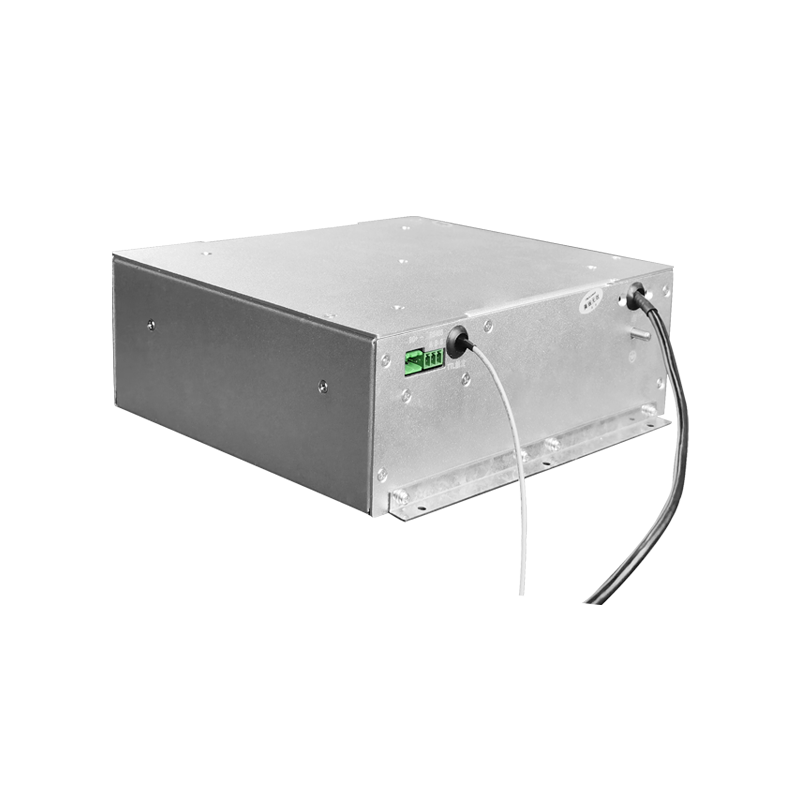
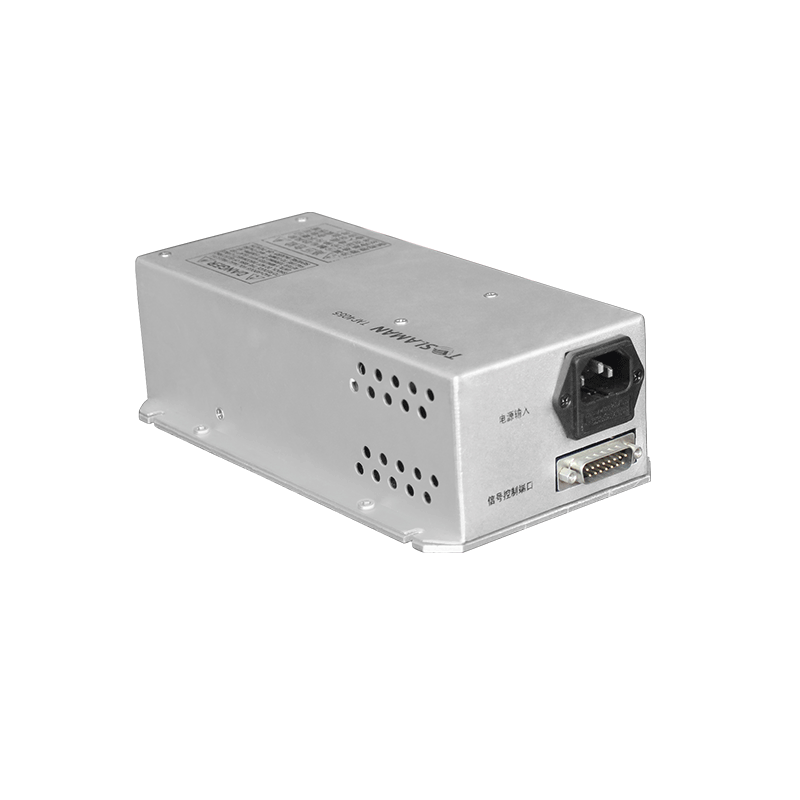
Multi-Voltage Control of Electrostatic Spinning High-Voltage Supplies in Wearable Intelligent Textile Sensing Materials
The wearable intelligent textiles integrate the sensing functions into the fabrics for the health monitoring and the human-machine interaction, and the sensing materials detect the physiological and the environmental signals. The electrostatic spinning produces the nanofiber sensing materials, and the high-voltage supply of the spinning system controls the fiber formation. The multi-voltage control of the supply supports the functional material production, and the engineering work covers the voltage control, the material development, and the verification.
The wearable intelligent textiles monitor the physiological parameters such as the heart rate and the movement, and the sensing materials convert the physical stimuli into the electrical signals. The nanofiber materials provide the flexibility and the sensitivity for the wearable applications, and the material structure determines the sensing performance. The controlled production supports the material quality.
The electrostatic spinning produces the nanofibers through the electric field drawing of the polymer solutions, and the high-voltage supply provides the voltage for the fiber formation. The multi-voltage control adjusts the voltage for the different materials and the process conditions, and the fiber diameter and the structure are controlled. The voltage control supports the material development.
The sensing materials may incorporate the conductive fillers or the functional polymers, and the spinning process is adapted for the composite materials. The voltage and the solution parameters are optimized for the fiber properties, and the sensing performance is characterized. The process development supports the functional materials.
The integration of the sensing materials into the textiles requires the durability and the washability, and the materials and the device design are developed for the practical use. The electrodes and the connections are integrated for the signal readout, and the device packaging protects the sensing elements. The integration supports the wearable applications.
The characterization of the sensing materials includes the measurement of the sensitivity and the response time, and the results are correlated with the material structure. The optimization of the spinning process improves the sensing performance, and the materials are refined based on the characterization. The characterization supports the material development.
The verification of the sensing textiles includes the evaluation of the sensing performance and the durability, and the results are compared with the requirements. The washability and the mechanical properties are tested, and the devices are qualified for the applications. The verification supports the product development.
The wearable intelligent textiles provide the continuous health monitoring for the personal care, and the reliable sensing materials support the device performance. The multi-voltage control of the supply contributes to the material quality, and the technology advances the smart textile industry.
The advancement of the wearable technology demands the better sensing performance and the higher comfort, and the material production follows the requirements of the new applications. The improved spinning control and the material development enhance the capability, and the cooperation with the textile and the electronics industries drives the innovation.
Multi-voltage control of the electrostatic spinning high-voltage supplies enables the wearable intelligent textile sensing materials, and the careful voltage control, the material development, and the verification deliver the required sensing performance. The continued development will support the advancement of the smart textile technology.
The maintenance of the spinning system includes the cleaning of the spinnerets and the inspection of the high-voltage components, and the contamination affects the fiber quality. The replacement of the consumables is scheduled, and the system is requalified after the maintenance. The maintenance program supports the consistent production.
The training of the operators covers the operation of the spinning system and the handling of the polymer solutions, and the safety procedures are included in the training. The understanding of the multi-voltage control supports the process improvement, and the technical documentation provides the reference. The training supports the reliable production.
The economic assessment of the sensing material production considers the material utilization, the throughput, and the product quality, and the controlled spinning reduces the material waste and the rejects. The improved sensing performance supports the product value, and the investment is justified by the quality benefit. The assessment supports the production decisions.
The documentation of the sensing material production includes the process parameters, the material records, and the quality data, and the documentation supports the reproducibility and the traceability of the production. The reviews of the process data support the improvement, and the documentation is maintained according to the quality system. The documentation supports the production control.
The verification of the complete process includes the evaluation of the sensing performance and the material consistency over the production runs, and the repeatability of the results is confirmed. The process is qualified for the production use, and the periodic checks confirm the continued performance. The verification supports the reliability of the production.
The collaboration between the equipment suppliers and the textile manufacturers supports the development of the smart textile materials, and the exchange of the experience contributes to the refinement of the spinning parameters. The requirements of the wearable applications guide the development, and the systems are adapted accordingly. The collaboration drives the advancement of the smart textile technology.
The comparison of the spinning and the alternative fiber production methods provides the perspective on the fiber properties and the process control, and the evaluation supports the selection for the specific applications. The requirements of the sensing materials determine the suitable method, and the economics are considered. The evaluation supports the informed decision-making.
The scaling of the sensing material production to the larger volumes requires the deployment of the additional spinning lines, and the performance of the lines is verified for the consistent production. The data from the lines is aggregated for the analysis, and the process is optimized for the scale. The scaling supports the growth of the smart textile industry.
The continuous improvement of the process is supported by the data analysis and the experimental validation, and the process changes are implemented after the verification. The performance targets are reviewed periodically, and the improvements are documented. The continuous improvement maintains the competitiveness of the production.
The reliability of the sensing material production is supported by the process monitoring and the material verification, and the performance is evaluated with the test samples. The operating data supports the maintenance planning, and the improvements are implemented. The reliability engineering supports the consistent material production.