







Modeling Analysis and Regulation of the Relationship Between Adsorption Force and Voltage of Electrostatic Chuck High-Voltage Power Supply
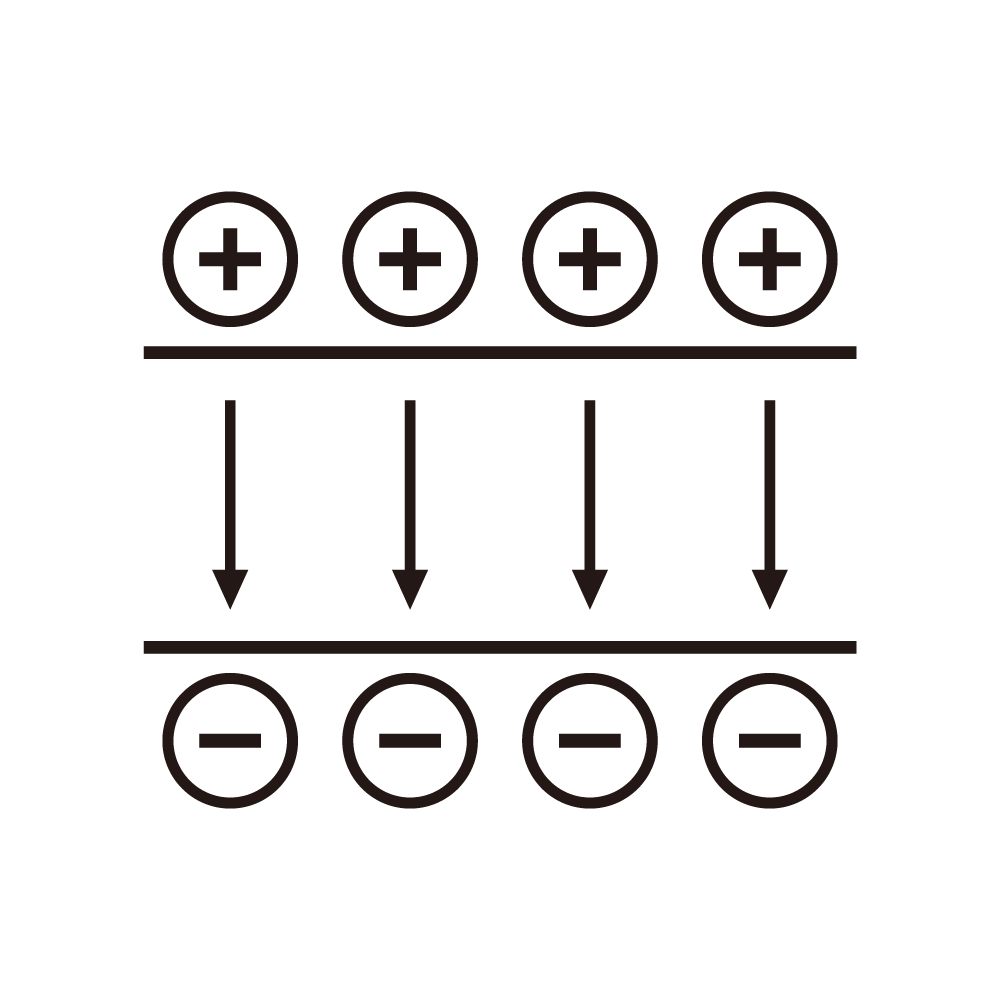
Modeling of the relationship between the adsorption force and the voltage of an electrostatic chuck supply provides the basis for the voltage regulation. The adsorption force depends on the applied voltage, the dielectric property and the gap, and the model links the electrical setting to the mechanical result.
The electrostatic force is proportional to the square of the voltage for the constant gap. The model captures the nonlinear relationship, the calibration at the reference condition fixes the model coefficient, and the force prediction is used for the process setting.
The gap and the dielectric state vary with the wafer and the chuck condition. The model includes the gap parameter, the wafer backside roughness changes the effective contact, and the force deviation is explained by the model.
Temperature changes the dielectric property. The model compensates the permittivity change, the compensation is verified by the force measurement, and the long-term drift of the chuck is tracked.
The regulation uses the model to set the voltage for the target force. The inverse calculation gives the voltage, the set point is applied, and the measured force is compared with the target.
Multi-zone chucks require the per-zone modeling. The force distribution across the wafer is calculated, the per-zone voltage is set for the uniform force, and the warped wafer chucking is improved.
The model is validated on the production equipment. The force sensor or the wafer measurement provides the data, the model coefficient is updated, and the prediction accuracy is quantified.
The regulation supports the release step as well. The force reduction is controlled by the voltage ramping, the residual charge is managed, and the wafer release is clean without the particle generation.
Reliability data of a high-voltage supply comes from the field operation statistics. The fault interval, the repair time and the failure mode distribution are recorded, the statistics support the design and the maintenance improvement, and the short-term individual cases do not represent the overall level.
The cooling design effect is verified under the actual operating condition. The temperature rise data at the full load is more convincing than the calculation, the temperature points cover the key devices, the margin is re-evaluated when the ambient temperature changes, and the derating logic under the fan fault is verified.
Control software version management is strict. The parameter change and the logic change are recorded separately, the upgrade passes the test, the field upgrade has the rollback plan, and the software problem in operation feeds back into the version improvement.
Safe use rules of the high-voltage measurement devices are implemented in the operation steps. The device state is confirmed before the measurement, the distance requirement is followed during the measurement, the discharge is completed after the measurement, and the periodic verification is not skipped.
Input power quality affects the high-voltage equipment noticeably. The voltage fluctuation and the harmonics transmit to the output, the input filtering and the regulation capability match the field power condition, and the input side monitoring finds the potential problem early.
Fault analysis traces back to the root cause. The surface phenomenon often results from multiple factors, the analysis collects the complete evidence chain including the waveform, the record and the environment, and the improvement measure is verified after the root cause is fixed.
The factory test condition of a high-voltage supply differs from the field condition. The load nature, the cable length and the ambient temperature are different, the factory data states the test condition, and the acceptance re-measures the key items under the actual condition.
Insulation monitoring covers the whole operation process. The withstand test at the installation verifies only the initial state, the partial discharge and the leakage monitoring track the degradation process, and the monitoring data links with the maintenance plan.
Power stage layout affects the cooling and the electrical performance. The high-current path is short, the switching loop is compact, the sensitive circuit stays away from the power stage, and the layout scheme is verified repeatedly at the prototype stage.
Device replacement on site requires the performance re-verification. The batch difference exists objectively, the electrical parameters are re-measured after the replacement, the matched parts are re-matched, and the replacement record states the device information.
Operating procedure of the high-voltage equipment defines every action. The power-on, the voltage adjustment, the discharge and the maintenance each have the sequence requirement, the procedure execution affects the equipment life and the personnel safety, and the revision passes the review.
Load characteristic change must reflect in the parameter adjustment. The line modification and the process change alter the load state, the parameter adjustment is based on the measured data, and the adjustment record corresponds with the process change record.
Noise localization starts from the source. The noise near the switching frequency relates to the power stage, the interference near the line frequency relates to the grounding, and the high-frequency noise often comes from the radiation coupling, so the spectrum analysis narrows the search range.
Aging test data of the high-voltage parts supports the life assessment. The conversion between the accelerated condition and the normal operation is used carefully, the test data serves only as the reference, and the field data is the final basis.
Equipment marking and the documentation stay in sync. The nameplate parameters, the wiring diagram and the parameter table match the hardware, the document update is timely, the field maintenance relies on the current version, and the old documents are collected to prevent the misuse.
Transport and storage of a high-voltage supply carry separate requirements. The vibration and the shock during the transport may damage the devices, the storage temperature and humidity affect the insulation material, and the incoming inspection checks the list and the appearance.
Abnormal sound and smell are the early hints of a fault. The transformer hum change and the device heating smell relate to the internal state, the patrol pays attention to these signs, and the serious fault often has the precursor.
On-site spare replacement uses the parts meeting the specification. The substitute parameters are checked item by item, the voltage class and the current capability are not lowered, the part source is reliable, and the performance verification after the replacement is not skipped.
Debugging tools of a high-voltage supply are calibrated regularly. The high-voltage attenuation ratio of the probe and the accuracy of the meter affect the judgment, the tool state is confirmed before the use, and the misjudgment from the measurement error wastes a lot of the searching time.